Affordable House Cleaning Service Near Me: STR Host Guide
An affordable house cleaning service near me is not the cheapest cleaner you can find on a general listings app. It's a vetted, STR-specific turnover provider whose pricing reflects the real work of a same-day checkout-to-checkin flip: stripped beds, restocked supplies, staged photos, and a guaranteed window. If you're comparing quotes for your Airbnb or Vrbo based on hourly rate alone, you're pricing the wrong thing, and it will cost you in missed turnovers and bad reviews.
- Flat-rate turnover pricing, not hourly rates, is the industry norm for STR cleaning, because guest checkout times don't move to fit a cleaner's schedule.
- "Affordable" and "cheap" are not the same thing in vacation rental cleaning; the cheapest bid usually skips restocking, staging, and damage reporting.
- Every operator managing more than one property needs a backup cleaner on file, not just a primary, since a single no-show can wreck a checkout day.
- According to Statista, almost 60% of hosts cite short-term rentals as valuable for supplemental income, which means turnover costs directly affect the margin most operators are counting on.
- Recurring turnover contracts typically cost less per visit than one-off bookings, because a cleaner can plan supply runs and route logistics around a known schedule.
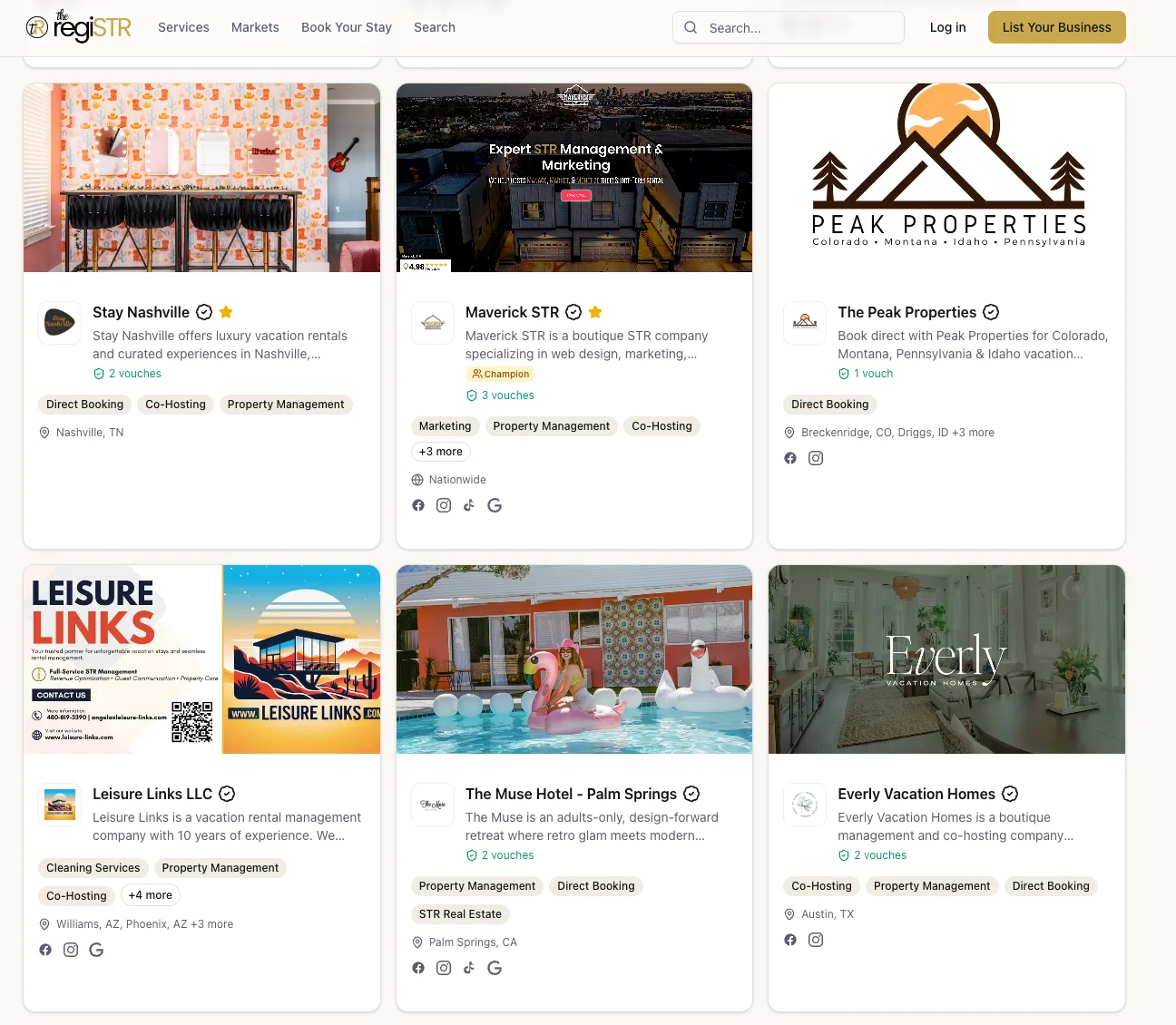
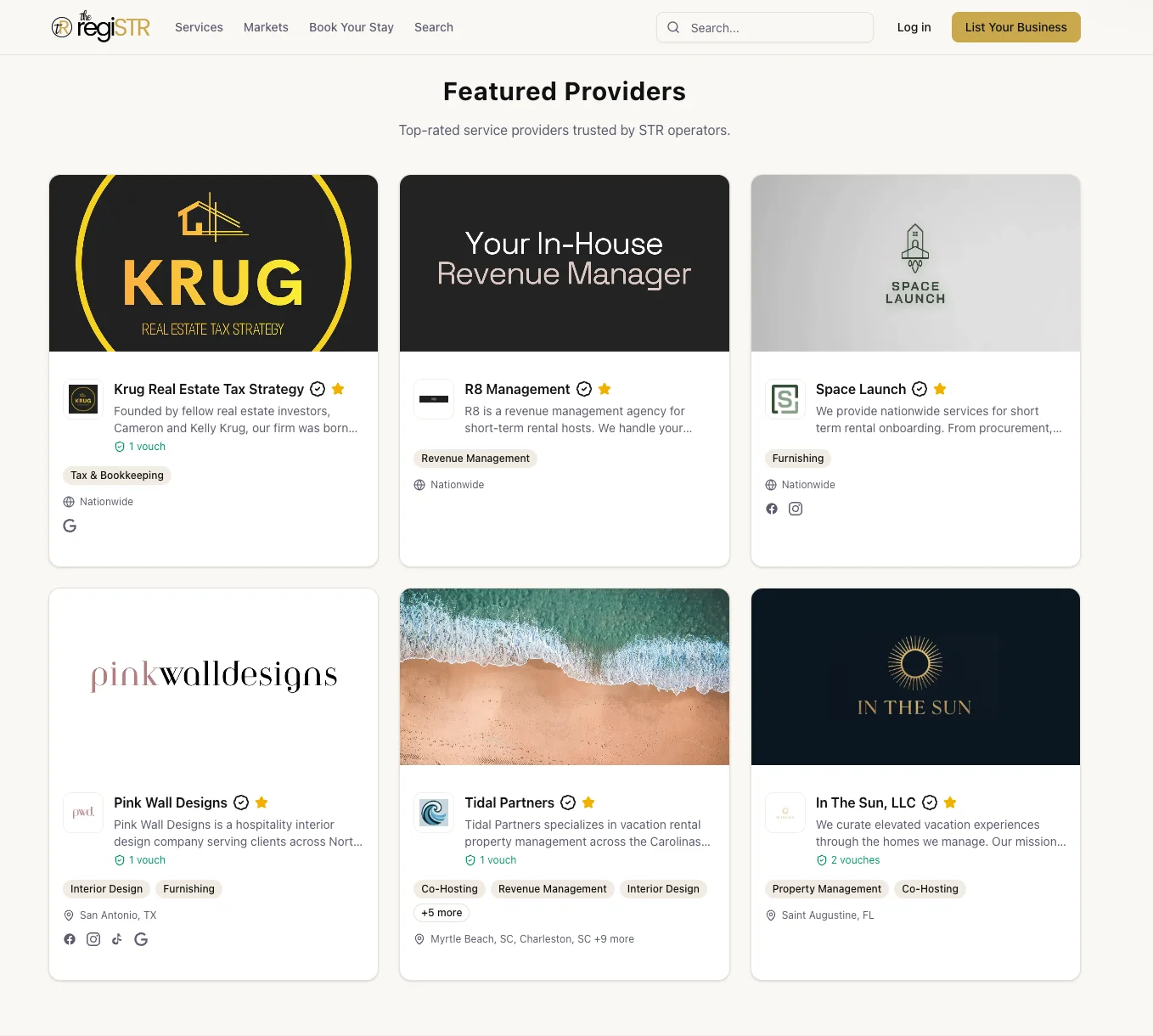
- the regiSTR lists STR-vetted cleaning and turnover providers by market, filtered by whether they've actually worked vacation rental turnovers, not just residential deep cleans.
Every host who searches "affordable house cleaning service near me" eventually runs into the same wall: general cleaning marketplaces price by the hour, but STR turnovers don't work on an hourly clock. A guest checks out at 11am, the next one checks in at 4pm, and the cleaner has that window regardless of how big the unit is. Pricing this correctly, and finding a cleaner who understands it, is the actual problem you're trying to solve in 2026.
This guide breaks down what drives turnover cleaning cost, busts a handful of persistent myths about "cheap" cleaning that cost hosts more in the long run, and gives you a vetting framework you can use on your very next call. We built the regiSTR because too many hosts were solving this problem through Facebook groups and word of mouth, which works until your primary cleaner moves or gets booked out during peak season.
Myth: Cheaper Always Means More Affordable
The myth that the lowest quoted price is always the most affordable option is false for short-term rental turnovers. A bargain-rate cleaner who skips restocking toiletries, misses a damage report, or runs late on a back-to-back turnover day costs you far more in refunds, rebookings, and review damage than the few dollars saved on the invoice.
Affordable, in the STR context, means the lowest total cost of a reliable, complete turnover, not the lowest line-item price. A cleaner who guarantees a 3-hour turnaround window, restocks consumables, and reports maintenance issues is worth more per visit than one who just wipes surfaces and leaves.
As a result, hosts who chase the cheapest quote often end up paying twice: once for the low-cost clean, and again when a guest complains about hair in the shower or missing coffee pods. This is exactly the vetting criteria the regiSTR applies when listing cleaning and turnover providers by market.
What Is the Average Price to Charge for House Cleaning?
Average house cleaning pricing for STR turnovers is typically structured as a flat rate per clean, not an hourly charge, because the scope of a turnover (linens, restock, staging, inspection) is fairly consistent regardless of how long it takes on a given day. General residential cleaning quotes, by contrast, often price by the hour or by square footage.
Specifically, a flat per-turnover rate accounts for supply costs, laundry, and the guaranteed same-day window a host needs. Additionally, rates vary by property size, number of bedrooms and bathrooms, and whether the clean includes linen laundering on-site versus a swap-and-go service using a rotating linen stock.
Notably, turnover cleaning rates in high-demand vacation rental markets tend to run higher than in slower secondary markets, simply because demand for reliable same-day cleaners outpaces the local supply. If you're comparing quotes, ask for the flat turnover rate first and treat any hourly-only quote as a red flag for STR fit.
How Does the $19 House Cleaning Deal Actually Work?
A $19 house cleaning promotion, common on general gig-work and marketplace apps, is almost always an introductory rate for a single room or a short time block, not a full-property turnover clean. These deals are built for one-time residential spot cleans, not the recurring, full-scope, same-day turnovers a short-term rental needs between every guest stay.
For example, a $19 promo rate typically covers 30 to 60 minutes of light cleaning in one room. It does not include linen changes, bed-making to hotel-fold standard, trash removal, restocking bathroom and kitchen supplies, or a walkthrough inspection for damage. In contrast, a real STR turnover covers all of it, every single time, on a guest-driven deadline.
As a result, hosts who book a promotional rate expecting a full turnover are usually disappointed, and worse, they end up needing to hire a second cleaner to finish the job before check-in. If a quote looks too low relative to what you know STR turnovers cost, ask exactly what tasks are included before you book. This is the type of transparency the regiSTR requires from every provider listed in our directory.
How Much Do 2 Hours of Cleaning Cost?
Two hours of cleaning time is rarely enough for a full STR turnover on anything larger than a studio or one-bedroom unit, which is why STR-specific cleaners quote by scope of work rather than a fixed hourly block. A 2-hour cap works fine for a light residential tidy, but it fails fast once you factor in bed-stripping, full linen changes, bathroom sanitizing, kitchen reset, and restocking.
Specifically, a two-bedroom, two-bathroom vacation rental typically requires more than two hours to turn correctly, especially if the cleaner is also doing laundry on-site rather than swapping in pre-laundered linens. Additionally, properties with hot tubs, multiple living areas, or high guest turnover (like weekend-heavy calendars) push actual time well past that two-hour mark.
Notably, if a provider only offers a fixed 2-hour package regardless of property size, that's a sign they're built for residential clients, not STR turnovers. Ask any cleaner you're vetting how they handle properties that take longer than their standard package; a good STR-specialized provider will have a clear answer, not a shrug.
What Is the Average Pay for Someone to Clean Your House?
Average pay for a house cleaner reflects experience, scope, and whether the work is a one-time residential clean or a recurring STR turnover contract, and STR-specialized cleaners generally earn more per visit than general residential cleaners because the work is more time-sensitive and higher-stakes. A missed turnover means a guest walks into an unready property, which is a different level of consequence than a residential client rescheduling a weekly clean.
For example, STR cleaners factor same-day availability, weekend and holiday premiums, and damage-reporting responsibilities into their rates. In contrast, a general house cleaner working a predictable weekly schedule for a homeowner doesn't carry that same time pressure or liability.
As a result, hosts should expect to pay a premium, relative to standard residential cleaning, for a cleaner who can guarantee weekend turnovers, same-day rebooking flexibility, and consistent quality across a busy calendar. Providers listed on the regiSTR's Cleaning and Turnover Services category are screened specifically for this kind of STR-ready availability, not general residential scheduling.
Myth: Any Cleaner With Airbnb Experience Is STR-Ready
The claim "Airbnb experience" on a cleaner's profile does not guarantee they understand the operational pressure of a same-day turnover. Plenty of general cleaners have cleaned a friend's or family member's rental once or twice and now market themselves as STR specialists, without ever managing a back-to-back turnover day across multiple properties.
Real STR experience means the cleaner knows how to handle a compressed window, restock consumables to a consistent par level, photograph and report damage, and communicate status updates in real time. It also means they've dealt with a late checkout or an early check-in request without falling apart.
In our experience vetting providers for the regiSTR, the differentiator isn't whether a cleaner has ever cleaned a rental. It's whether they can describe, specifically, how they handle a tight same-day turnaround under time pressure. If they can't answer that clearly on a first call, they're not STR-ready yet, regardless of what their profile says.
How Do I Find a Reliable Vacation Rental Cleaner in My City?
Finding a reliable vacation rental cleaner starts with searching a directory built specifically for short-term rental service providers, not a general home services marketplace. General platforms don't filter for turnover experience, same-day availability, or STR-specific workflow, which means you're sifting through profiles that may have never touched a rental property.
Specifically, look for providers who list vacation rental turnover as a core service, not a side offering. Additionally, check whether other STR operators have vouched for the provider, since a peer endorsement from a working host carries more weight than an anonymous star rating.
Notably, remote owners managing a property outside their home market face this challenge hardest, since they can't drive over and meet a cleaner in person before hiring. That's exactly why the regiSTR's market pages organize STR cleaning and turnover providers by city, so you can filter to your exact market instead of cold-calling contractors who've never done a same-day flip.
What Should I Look for When Vetting an STR Cleaning Company?
Vetting an STR cleaning company means confirming same-day turnaround capability, supply-stocking process, and communication workflow before you ever sign a contract. A cleaner who can't commit to a guaranteed turnaround window is not the right fit for short-term rental work, no matter how good their references are for standard residential clients.
- Ask about their guaranteed turnaround window. A serious STR cleaner should be able to state a specific number of hours, not "it depends."
- Ask how they handle a same-day emergency. What happens if a guest checks out late, or the next guest arrives early?
- Ask what's included in a standard turnover. Linen changes, restocking, trash removal, and a damage walkthrough should all be standard, not add-ons.
- Ask for STR references, not general residential references. A homeowner's weekly cleaning review doesn't tell you anything about turnover reliability.
- Ask how they handle multiple same-day turnovers. If they're booked across five properties on a Saturday, what's the contingency plan for yours?
This is the exact list of questions the regiSTR uses when reviewing providers before they're approved for our Cleaning and Turnover Services category, because a peer-vouched provider still needs to answer these basics clearly.
Myth: Deep Cleaning and Turnover Cleaning Are the Same Service
Deep cleaning and turnover cleaning are structurally different services, and treating them as interchangeable is one of the most common pricing mistakes new hosts make. A deep clean is a periodic, thorough scrub of a property, often scheduled quarterly or seasonally, that addresses buildup in areas a routine clean skips: baseboards, inside appliances, window tracks, grout.
A turnover clean, by contrast, happens between every single guest stay and focuses on speed, staging, and consistency: stripped and remade beds, restocked supplies, trash removal, and a quick damage inspection, all completed within a guest-driven window that can be as short as two to four hours.
As a result, pricing a turnover clean like a deep clean, or vice versa, sets unrealistic expectations on both sides. Most STR operators need a recurring turnover cleaner for every stay and a periodic deep clean scheduled separately, maybe monthly or quarterly depending on guest volume. Providers in the regiSTR's directory typically list both service types separately for exactly this reason.
Data and Evidence: Comparing Cleaning Options by Type
The table below breaks down how STR turnover cleaning compares to standard residential cleaning and one-time deep cleans, so you can see where "affordable" actually plays out across scope, pricing structure, and reliability expectations.
| Service Type | Pricing Structure | Typical Scope | Best For |
|---|---|---|---|
| STR Turnover Cleaning | Flat rate per turnover | Linen change, restock, trash, damage report, staging | Every guest checkout on a vacation rental |
| Standard Residential Cleaning | Hourly or per-visit flat rate | Surface cleaning, vacuuming, bathroom wipe-down | Owner-occupied homes, weekly or biweekly upkeep |
| Deep Cleaning | Flat rate, higher than standard clean | Baseboards, appliance interiors, window tracks, grout | Quarterly or seasonal STR maintenance |
| Promotional/Gig-Rate Cleaning | Low introductory flat rate, limited scope | Single room or short time block, no restock or staging | One-time residential spot cleans, not STR turnovers |
Notably, the promotional-rate row is where most hosts get burned searching for an "affordable house cleaning service near me." A rate that looks cheap on the surface almost never includes the full turnover scope your guests expect.
Deep Dive: The Content Gaps Most Cleaning Guides Miss
How to Negotiate a Recurring Discount
Recurring turnover contracts typically cost less per visit than booking one-off cleans, and hosts rarely ask for this upfront. Specifically, offer a cleaner a guaranteed volume, say, every turnover for a single property over a season, in exchange for a locked-in per-turnover rate. Cleaners value predictable scheduling as much as you value price certainty, because it lets them plan supply purchases and staffing around a known workload instead of scrambling for last-minute bookings.
A Copy-Paste Request-for-Quote Template
Use this framework on your first outreach message to any cleaner or provider you find, whether through the regiSTR or elsewhere: "I manage a [bedroom count]-bed, [bathroom count]-bath short-term rental in [city]. I need a guaranteed turnaround of [X] hours between checkout at [time] and check-in at [time]. Can you commit to same-day service on [days of week], and what's included in your standard turnover (linens, restock, damage report)? What's your flat rate per turnover, and do you offer a discount for a recurring weekly schedule?" This template forces every provider to answer the questions that actually determine STR fit.
What Gets Skipped on Cheap vs. Mid-Range vs. Premium Cleans
On the low end, expect surface wiping only, no restocking, and no damage inspection. Mid-range providers typically include linen changes, trash removal, and basic restocking of essentials like toilet paper and soap. Premium STR-specialized providers add full consumable restocking (coffee, dish soap, guest amenities), staged bed and towel presentation for photos, and a documented walkthrough with photos flagging any damage or missing items, protecting you from disputed security deposit claims.
Scenario-Based Guidance for Different Hosts
If you're a first-time host with a single property, prioritize a cleaner who offers flexible one-off bookings while you build a recurring schedule. If you're an out-of-state owner managing remotely, prioritize providers with documented photo reporting since you can't inspect the property yourself. If you're a multi-property operator scaling across markets, prioritize providers who can scale with you or who at least communicate clearly when they're at capacity. Each scenario changes what "affordable" actually means for your situation.
Myth: You Have to Choose Between Reliability and Affordability
The idea that you must sacrifice reliability to get an affordable rate is false once you shift from one-off booking to a recurring turnover contract. Recurring contracts lower per-visit cost because they reduce a cleaner's acquisition and scheduling overhead, and they raise reliability because the cleaner has a predictable stake in your calendar.
Specifically, the hosts who complain most about the cleaner-affordability tradeoff are usually booking cleaners one turnover at a time through general gig platforms, where there's no ongoing relationship and no incentive for the cleaner to prioritize your property on a busy weekend.
As a result, the actual path to affordable and reliable is a locked-in recurring arrangement with an STR-vetted provider, not a race to the bottom on one-time quotes. Instead of cold-calling contractors who've never dealt with a guest checkout deadline, browse Find STR Cleaners on the regiSTR and filter by your market to shortlist providers who already understand this model.
Practical Guidance: How to Choose the Right Cleaner Without Overpaying
- Get flat-rate turnover quotes from at least three providers in your market, not hourly estimates, so you're comparing apples to apples.
- Confirm scope in writing. Linen laundering on-site versus a swap-and-go rotation changes both price and turnaround time significantly.
- Ask about backup coverage. A cleaner without a backup plan for illness or overbooking is a single point of failure in your operation.
- Start with a trial turnover before committing to a recurring contract. One test run tells you more than any number of reviews.
- Negotiate a recurring rate only after the trial goes well. Locking in price before confirming quality reverses your leverage.
- Avoid providers who won't guarantee a specific turnaround window. Vague answers here predict vague performance later.
Common mistakes to avoid: choosing based on price alone, skipping a trial run, and failing to clarify whether restocking supplies (coffee, toiletries, paper goods) is included or billed separately. Each of these mistakes shows up repeatedly in host complaints across STR forums, and each one is avoidable with a clear vetting conversation upfront.
Quick Facts Summary Table
| Question | Quick Answer |
|---|---|
| Is cheaper always more affordable? | No. Total cost includes missed restocking, damage disputes, and rebooking risk. |
| How does a $19 cleaning promo work? | Covers a single room or short time block; not a full STR turnover. |
| Is 2 hours enough for a turnover? | Rarely, for anything larger than a studio or one-bedroom unit. |
| Does Airbnb experience guarantee STR readiness? | No. Ask specifically how they handle same-day turnaround pressure. |
| Are deep cleans and turnovers the same? | No. Deep cleans are periodic; turnovers happen between every guest. |
| Do recurring contracts cost less per visit? | Typically yes, since they reduce scheduling and acquisition overhead for the cleaner. |
Frequently Asked Questions
What is the regiSTR and how does it differ from general cleaning marketplaces?
The regiSTR is a directory built specifically for short-term rental service providers, including cleaning and turnover companies, filtered by market and STR specialization. Unlike general home services marketplaces, every provider is invited in through a referral and vetted for actual vacation rental turnover experience.
How do I find a vetted STR cleaner in a market I don't live in?
Search the regiSTR's Cleaning and Turnover Services category by city to see providers who already serve that specific market. Look for peer vouches from other STR operators, which carry more weight than anonymous reviews since they come from hosts with real accountability.
What's a fair rate to expect for STR turnover cleaning?
Rates vary significantly by property size, market, and scope of service, so there's no single national number that applies everywhere. Turnover cleaning in high-demand vacation rental markets tends to run higher than the national average, and flat-rate quotes are the standard, not hourly billing.
Should I book a one-time cleaner or set up a recurring contract?
A recurring contract typically costs less per visit and improves reliability, since the cleaner has a predictable stake in your calendar. One-off bookings make sense only while you're testing a new provider before committing.
What questions should I ask before hiring a cleaner for my rental?
Ask about their guaranteed turnaround window, what's included in a standard turnover, how they handle same-day emergencies, and whether they can provide STR-specific references. A provider who can't answer these clearly isn't ready for short-term rental work.
How can I list my cleaning business on the regiSTR to find more STR clients?
Cleaning companies can join the regiSTR's Cleaning and Turnover Services category through a referral-gated onboarding process, building a public profile that STR operators actively searching by market can find. Sign up free at theregistr.co to claim a profile and start collecting peer vouches from hosts you've worked with.
Conclusion
An affordable house cleaning service near me, in the vacation rental context, is a flat-rate turnover provider who guarantees a same-day window, restocks supplies, and communicates clearly, not the lowest hourly bid on a general app. The cheapest quote almost always costs more once you factor in missed restocking, damage disputes, and rebooking scrambles. In 2026, the hosts who get this right are the ones who move from one-off gig bookings to recurring, vetted STR relationships.
The vendors exist in every market we cover. What's been missing is a reliable, STR-specific way to find and vet them before you're stuck cold-calling contractors on a Saturday morning. That's exactly the gap the regiSTR was built to close.

If you're comparing quotes right now and tired of guessing which cleaner actually understands STR turnovers, get started with the regiSTR and browse vetted cleaning providers by city at theregistr.co. Sign up free and filter by your market in under a minute.
Content powered by inkSTR.co